Nigerian Stocks Lead Global Markets in H1 2026: What's Driving the Rally?
The Nigerian stock market ranked among the world's best performers in H1 2026. Discover what's driving the rally, why global investors are paying attention, and what it could mean for the market.

Summary
The Nigerian stock market ranked among the world's best performers in H1 2026. Discover what's driving the rally, why global investors are paying attention, and what it could mean for the market.
Nigeria's stock market is attracting international attention after emerging as one of the world's strongest-performing equity markets this year.
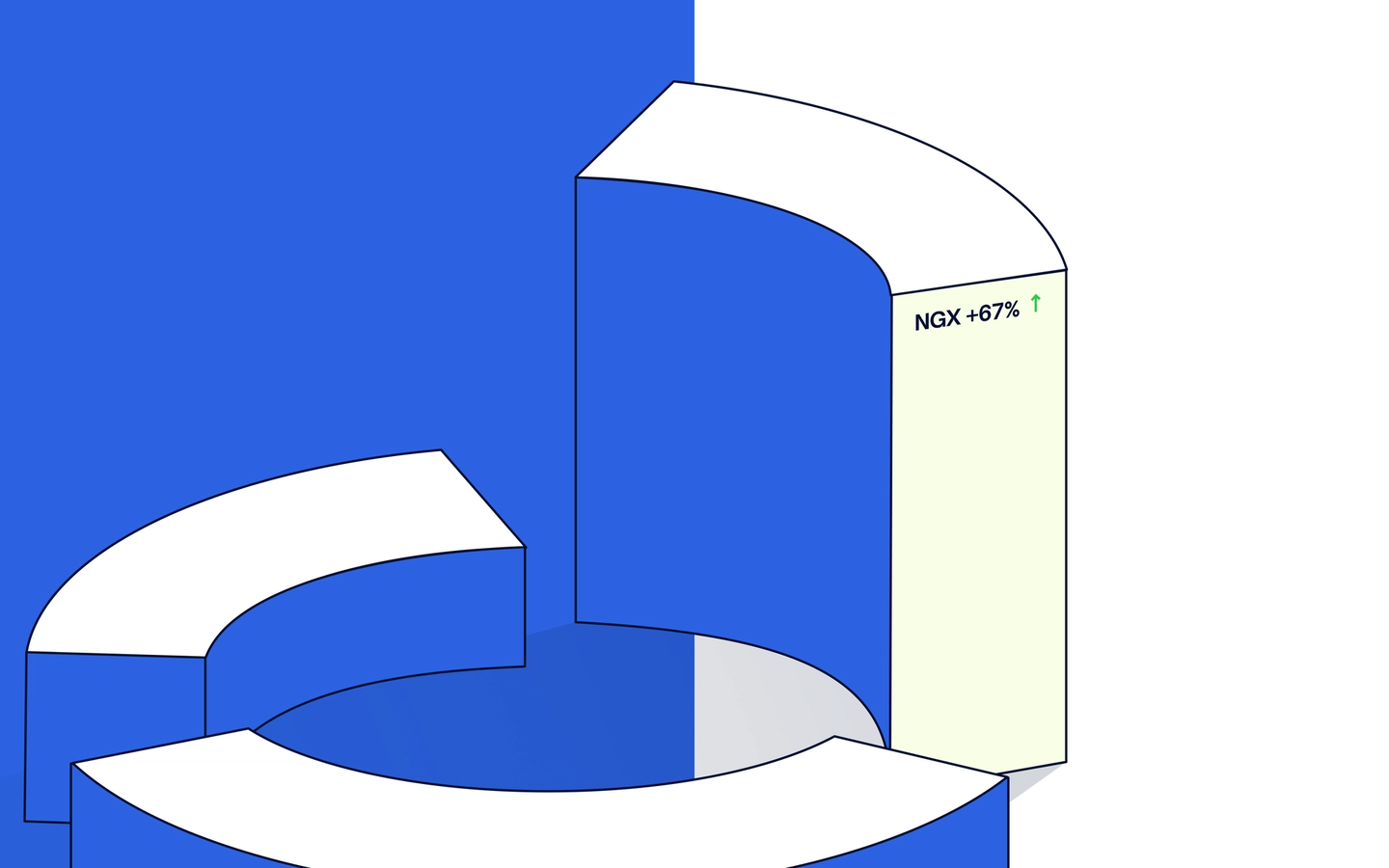
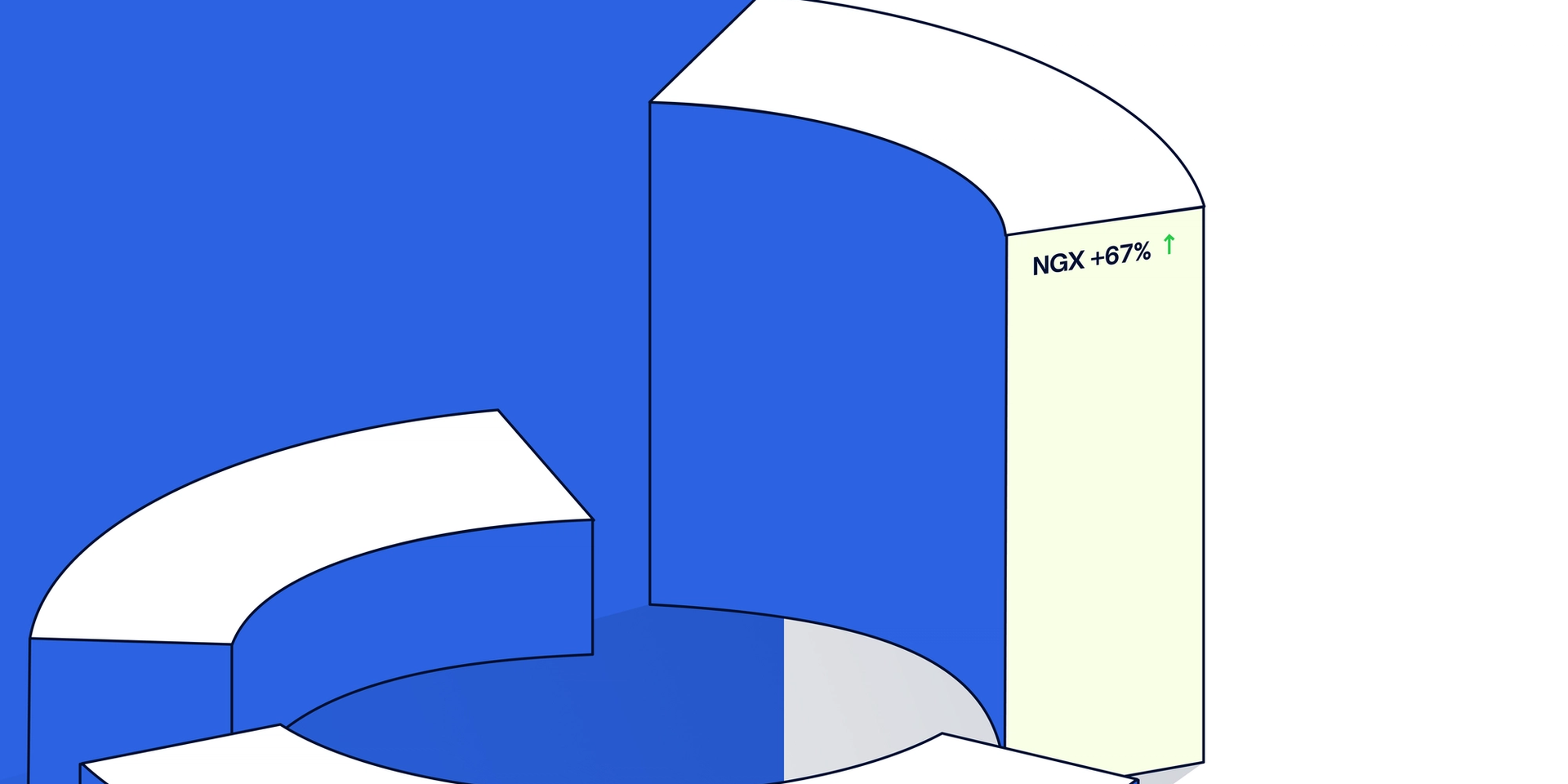
According to Yahoo Finance, citing Bloomberg data, Nigerian equities have overtaken South Korea's KOSPI index to deliver the highest US dollar-based returns among 92 global stock exchanges tracked in 2026. The development highlights growing investor interest in Nigeria's capital market and reflects a combination of domestic and global economic factors.
While the ranking has generated excitement, understanding why the market has performed strongly and what investors should keep in mind is equally important.
Nigeria's Stock Market Climbs Global Rankings in 2026
The reported ranking measures equity market performance in US dollar terms rather than local currency. This distinction matters because international investors often evaluate returns after accounting for exchange rate movements.
According to Yahoo Finance's report, Nigeria moved ahead of South Korea's benchmark KOSPI index in dollar-denominated returns, placing the Nigerian Exchange (NGX) at the top of Bloomberg's global performance rankings for the year to date (YTD).
Strong performance over a specific period does not necessarily indicate how markets will perform in the future, but it can attract increased attention from global investors looking at emerging markets.
What's Driving the Rally?
Several factors have been associated with Nigeria's market performance.
Higher Oil Prices
Nigeria remains one of Africa's largest oil producers. Rising global oil prices can improve government revenues, strengthen external balances, and influence investor sentiment toward the country's financial markets.
Appreciation of the Naira
Exchange rate movements have also contributed to the market's performance when measured in US dollars. A stronger naira increases the value of local equity returns for investors measuring performance in foreign currency terms.
Investor Confidence
Market performance is also influenced by investor expectations around economic reforms, monetary policy, and corporate earnings. Periods of increased confidence can encourage both domestic and international participation in equity markets.
Corporate Performance
Strong financial results from listed companies can support broader market gains, particularly when large-cap stocks record positive earnings or outlooks.
Why Dollar-Based Returns Matter
Investment returns can look different depending on the currency used to measure them.
For local investors, returns are often viewed in naira. International investors, however, frequently assess performance in US dollars because it reflects both stock price movements and changes in exchange rates.
This means a market can rank differently depending on whether returns are measured in local currency or converted into dollars.
What Does This Mean for Investors?
The reported ranking places Nigeria on the radar of many global market participants.
Greater visibility may encourage increased research coverage, international investor interest, and broader discussions about Nigeria's capital markets.
However, market rankings represent a snapshot in time. Equity markets can experience periods of both gains and declines, and performance may change as economic conditions evolve.
Investors should avoid relying on recent performance alone when evaluating markets and instead consider a broad range of factors, including economic conditions, company fundamentals, investment objectives, and risk tolerance.
Read Also: How to invest in US Stocks from Nigeria: A Beginner’s Guide
Risks to Watch
Like all equity markets, the Nigerian stock market remains influenced by a range of factors.
These include:
- Inflation and monetary policy decisions
- Oil price movements
- Exchange rate changes
- Corporate earnings
- Domestic and global economic conditions
- Profit-taking after periods of strong market performance
Recent trading sessions have also demonstrated that markets can experience periods of volatility following strong rallies, as investors rebalance portfolios and lock in gains.
Final Thoughts
Nigeria's emergence as one of the world's top-performing equity markets in 2026 has brought renewed international attention to the Nigerian Exchange.
According to Yahoo Finance's reporting of Bloomberg data, the market's strong US dollar-based returns reflect a combination of equity performance and currency movements. While the achievement highlights positive momentum over the period measured, market performance can change over time, and future outcomes remain uncertain.
For investors, the development underscores the importance of understanding not only market rankings but also the economic and market factors that influence them.